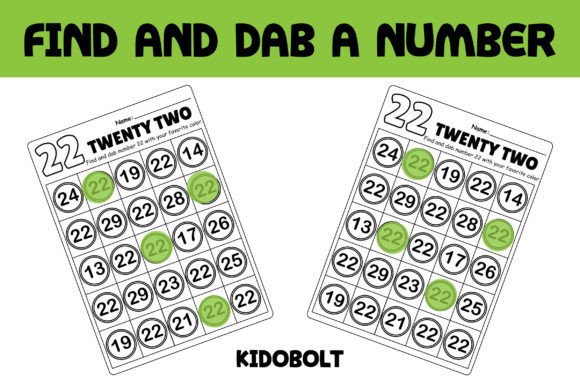
PreK Dab a Dot Number Worksheet - 22
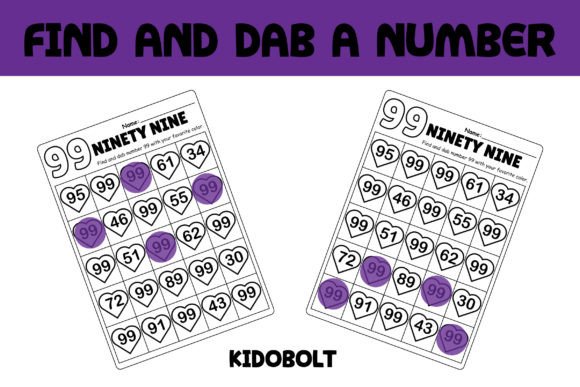
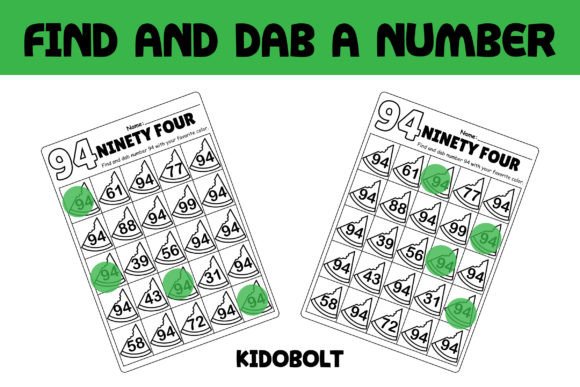
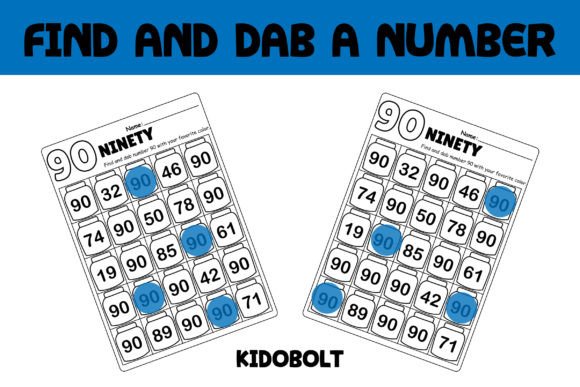
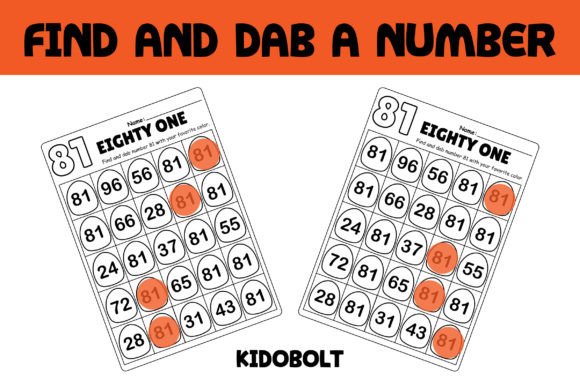
PreK Dab a Dot Number Worksheet - 22 is a ready-to-print, high-resolution JPG (300 DPI) designed to help young learners recognize, name, and engage with the number 22 in a playful, hands-on way. It features the numeral “22” prominently displayed alongside groups of 22 dots—some scattered, some arranged in simple patterns—to reinforce one-to-one correspondence and visual counting. Unlike standard tracing sheets, this worksheet invites interaction: children use dabbers, stamps, stickers, or even small manipulatives like pompoms to mark each dot while saying the number aloud. That simple act bridges recognition, verbalization, and fine motor control—all essential foundations for early math confidence.
Why This Activity Fits Real Learning Needs
Many preschoolers and kindergartners grasp numbers unevenly—some easily identify 1–10 but pause at teens or early twenties. Others know how to count aloud but can’t yet match that sequence to written numerals. PreK Dab a Dot Number Worksheet - 22 meets those gaps with gentle repetition and multisensory input. When a child presses a dabber onto the 22nd dot while saying “twenty-two,” they’re not just copying a shape—they’re building neural connections between symbol, sound, and quantity. Educators often notice faster retention when number work feels like play rather than pressure. And because it’s focused on just one number, it avoids cognitive overload—a real benefit for kids who feel overwhelmed by worksheets covering multiple digits at once.
Flexible Uses Across Settings
You don’t need a classroom to make this worksheet shine. At home, it works as a calm, screen-free activity during morning routines or after-school wind-down time. Pair it with “number of the day” discussions: talk about where 22 shows up in real life—22 crayons in a box, 22 steps to the front door, or 22 days until a birthday. In preschool or kindergarten classrooms, teachers use PreK Dab a Dot Number Worksheet - 22 as part of center rotations, small-group intervention, or informal assessment at the start of the school year. It gives immediate insight into which students confidently identify 22—and which may need extra modeling or tactile support before moving on.
Creative Substitutions That Keep It Fresh
While dabbers are classic, variety sustains interest—and builds different skills. Try these alternatives:
- Decorative stamps (e.g., stars or animals) to add pattern recognition and theme-based learning
- Dry-erase markers on laminated copies for reusable practice—great for centers or travel kits
- Pompoms or buttons placed on dots to strengthen pincer grip and hand-eye coordination
- Stickers with seasonal themes (leaves, snowflakes, hearts) to tie number work to holidays or units
Each variation changes the sensory experience without changing the core goal: connecting the numeral 22 to its meaning. That flexibility makes PreK Dab a Dot Number Worksheet - 22 easy to adapt for diverse learners—including those with sensory sensitivities, developing focus, or emerging fine motor control.
What Makes This Printable Stand Out
It’s not just another worksheet—it’s purpose-built for clarity and usability. The 300 DPI JPG resolution ensures crisp printing whether you’re using a home inkjet or a school laser printer. No fonts to install, no software required—just download, print, and go. The clean layout leaves plenty of white space, reducing visual clutter that can distract young learners. And because it focuses solely on 22, it supports targeted practice without competing visuals or unrelated tasks. That intentional simplicity is especially valuable for beginners, neurodiverse learners, or students returning after a break who need low-stress re-engagement with foundational concepts.
Practical Tips Before You Start
Before printing or planning your first session, consider these small but meaningful details:
- Match tools to developmental readiness. If a child struggles with dabber pressure, try larger stickers or foam shapes instead—success matters more than the tool.
- Model language consistently. Say “This is the number twenty-two. Let’s count together: one, two, three…” rather than rushing to finish the page.
- Keep sessions short. Five to eight focused minutes is often more effective than 20 minutes of drifting attention.
- Use it alongside other number 22 activities. Sing a “22” version of “The Ants Go Marching,” build 22 blocks, or find 22 items around the room to deepen understanding.
- Store printed copies thoughtfully. File them by number (not by theme or season) so you can quickly pull 22 again later for review or differentiation.
More Than Just Recognition
Beyond number sense, PreK Dab a Dot Number Worksheet - 22 quietly supports broader development. Placing dabs or stickers within defined spaces builds spatial awareness. Counting aloud while pointing or tapping strengthens oral language and sequencing skills. Choosing colors or materials encourages decision-making and self-expression. Even cleanup—sorting pompoms back into containers or wiping off dry-erase marks—reinforces responsibility and routine. These aren’t side effects; they’re built-in benefits of well-designed early learning tools.
A Thoughtful Addition to Your Toolkit
Whether you're a parent supporting learning at home, a teacher building a responsive curriculum, or a creator designing resources for early childhood, PreK Dab a Dot Number Worksheet - 22 offers grounded, joyful practice—not busywork. It respects children’s pace, honors their curiosity, and turns a single number into an opportunity for connection, movement, and growth. And because it’s printable, adaptable, and rooted in evidence-based strategies, it fits seamlessly into both structured lesson plans and spontaneous moments of discovery.